
From a Legacy Environmental Problem to a New Infrastructure Market
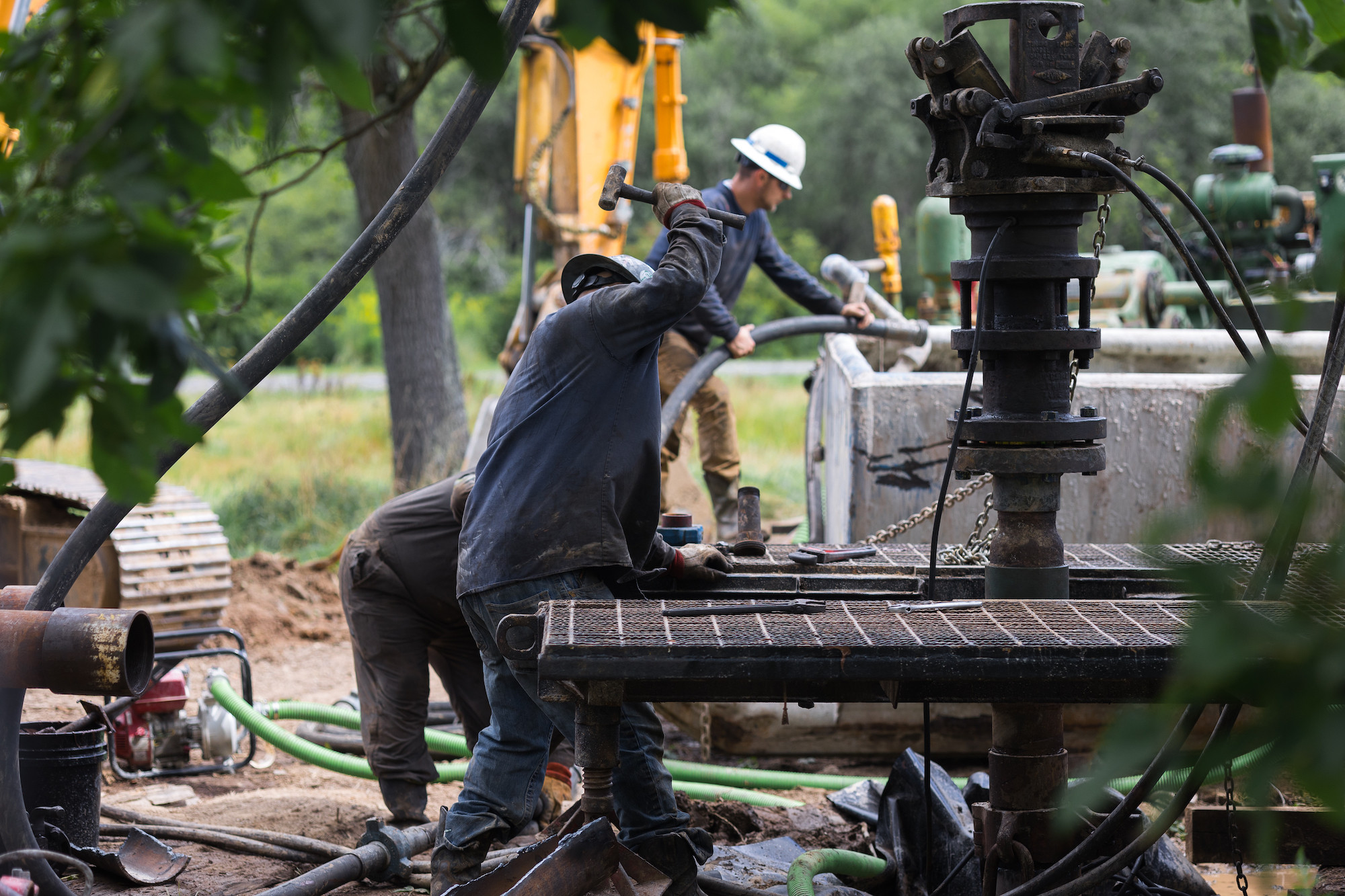
Zefiro Methane is positioned at an unusual intersection of environmental technology, energy infrastructure, and the growing market for emissions credits. At the heart of its business is the remediation of orphaned oil and gas wells, which not only release methane but also frequently pose safety, environmental, and development risks to the affected areas. The US subsidiary, Plants & Goodwin, has decades of experience, specialized crews, its own drilling rigs, and the necessary technical expertise to professionally decommission even complex wells. The expanding scope of the business is a key factor, as energy companies, infrastructure developers, and, increasingly, projects related to new power generation capacity are joining government programs as clients. As a result, Zefiro is evolving from a traditional remediation service provider into an integrated provider that participates at multiple points in the growing value chain surrounding decommissioned energy facilities.
Methane Is Becoming a Global Remediation Issue—and Zefiro Is Expanding Its Reach
The global scale of the orphan well problem provides structural momentum for the business model, as millions of abandoned wells can continue to release methane and other pollutants for decades after they have been decommissioned. At the same time, international studies show that professional remediation can prevent a significant portion of these emissions, thereby transforming an environmental liability into an increasingly relevant market for specialized service providers. Zefiro has now expanded its operational presence to 13 US states and can thus serve significantly more regional tenders and private projects than just a few years ago. In particular, the partnership with the Well Done Foundation expands Zefiro's reach, as the foundation is active in a total of 18 US states and has designated Zefiro as its preferred partner for related decommissioning work. The most recent contract for an initial 10 wells at the Deep Fork Wildlife Refuge in Oklahoma, along with additional work expected in 2027, demonstrates that the partnership is already generating concrete operational revenue and creating new regional entry points.
Order Book Is Filling Up: New Projects Provide Revenue Visibility
The latest announcements underscore that Zefiro is increasingly able to convert its capabilities into concrete orders. Three drilling rigs are now in operation for a major US natural gas producer, with a campaign involving at least 26 wells in Pennsylvania, New York, West Virginia and Kentucky. In addition, there are three contracts from the state of Ohio totaling approximately USD 2.4 million, as well as the previously announced three-year framework contract from the Ohio Department of Natural Resources with a volume of approximately USD 19.6 million. Publicly funded business also remains an important foundation, as Zefiro closed more than 75 state-funded wells in Ohio and Pennsylvania in 2025 alone. The combination of long-term framework agreements, ongoing private-sector projects, and new state tenders thus creates an order base that makes revenue development significantly easier to plan than in a purely project-based business.
The Margin Leverage Lies Beneath the Surface: Turning Data into Money
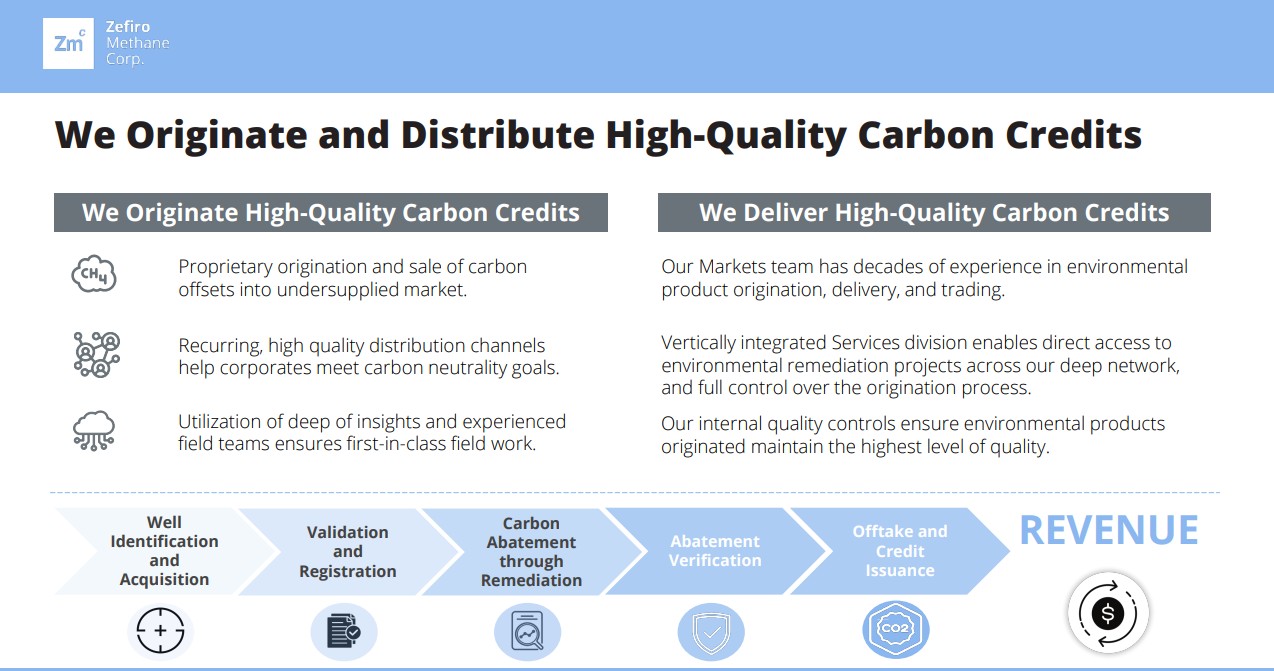
Zefiro does not just want to plug wells; it aims to monetize the entire process, from emissions measurement to verification of emission reductions. A particularly compelling example of this approach is the 15,000-foot-deep gas well in Custer County, Oklahoma, which generated 92,956 metric tons of CO₂ equivalent in verified emission reductions. These are the first certified carbon offsets from an orphan well according to the American Carbon Registry's methodology, establishing an important reference case for Zefiro's future commercialization efforts. At the same time, the company has generated approximately USD 850,000 in revenue from methane monitoring for the West Virginia Department of Environmental Protection, demonstrating that its data-driven service is already generating revenue. The more the market for verifiable emissions reductions professionalizes, the more attractive it becomes for Zefiro to develop, in addition to the operational contract, a long-term climate dataset from each remediated source.
The AI Infrastructure Boom: Gas-Fired Power Plants and Grid Expansion Unlock the Next Growth Opportunity
The rising electricity demand from data centers and industry is also transforming the market for former energy sites, as new power plants, transmission lines, and grid connections can only be built once existing well contamination has been remediated. Zefiro recognized this trend early on and has already successfully implemented projects in Pennsylvania and Louisiana for new energy infrastructure. As a result, the company is indirectly benefiting from the American AI boom without being dependent on the development of data centers or power generation technologies itself.
The alliance with the renowned Well Done Foundation further accelerates this momentum by securing Zefiro exclusive access to a massively expanded project portfolio across the US and maximizing brand visibility. Recent analyses by McKinsey and the International Energy Agency (IEA) highlight the historic scale of this boom: by 2030, global data center capacity, driven by computationally intensive AI workloads, will more than double. In the US alone, experts forecast that the tech infrastructure's electricity demand will reach an astronomical level of over 600 terawatt-hours annually by the end of the decade. This exponential growth is forcing massive investments in grid infrastructure and the development of new sites. Since the remediation of abandoned drilling sites is the fundamental prerequisite for this logistical feat, Zefiro is transforming from a pure environmental services provider into a direct beneficiary of the global AI arms race.
Investment Highlights
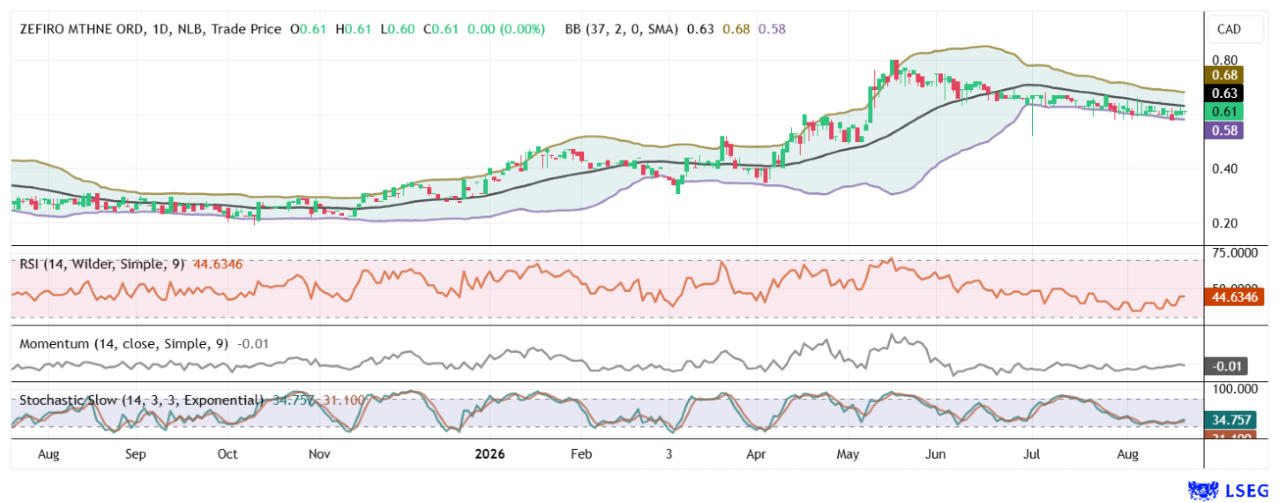
ZEFIRO METHANE (CAD 0.61 | NEO:ZEFI | WKN: A3DVHU | ISIN: CA98926D1069)
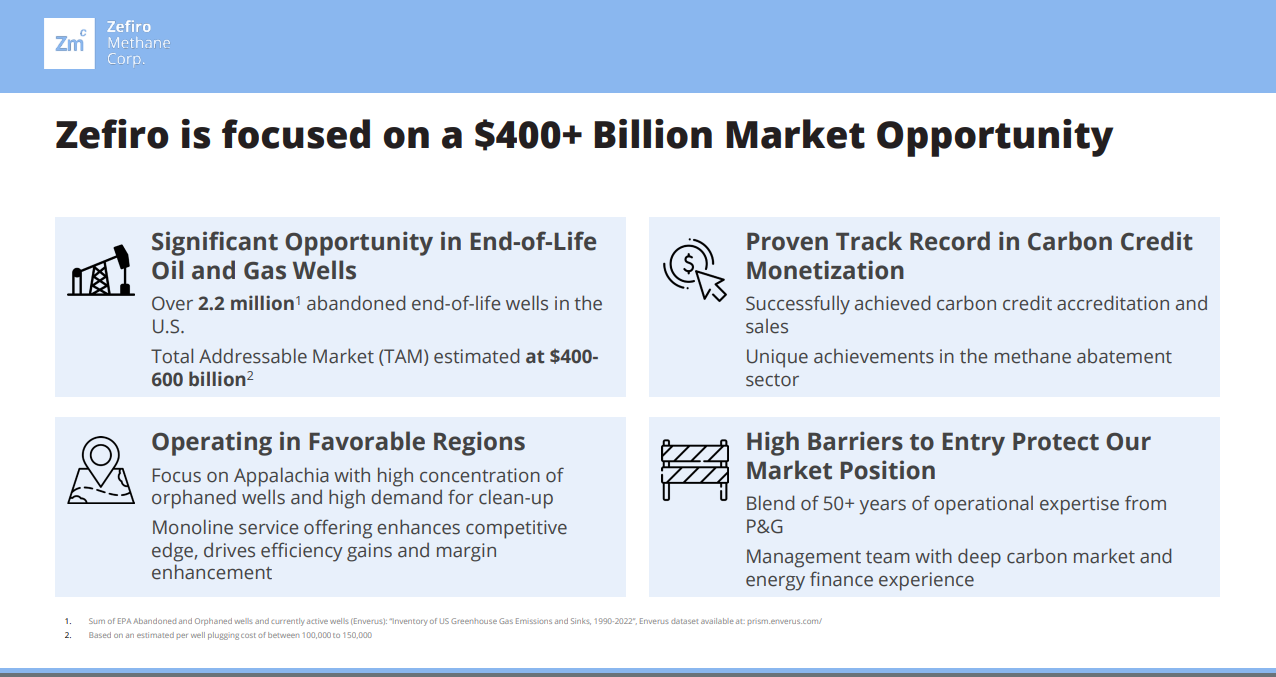
- Specialist in the decommissioning of abandoned oil and gas wells in the US—a market with an estimated volume of USD 400 to 600 billion
- Integrated business model combines well rehabilitation, methane monitoring, environmental services, and the generation of high-value carbon credits
- More than 2 million orphaned oil and gas wells in the US create a long-term, structurally growing market
- Dynamic revenue growth with expected revenues of over USD 40 million in fiscal year 2025/26
- Positive EBITDA trends demonstrate that the operating business can already be scaled profitably
- Strategic acquisitions expand the fleet, workforce, and regional presence, further increasing the annual revenue base
- New major contracts from the US infrastructure program ensure high visibility and a well-filled order book
- AI data centers and the multi-billion-dollar expansion of US energy infrastructure open up an additional growth segment
- Methane measurement and certified emissions credits are developing into high-margin revenue pillars with significant scalability potential
- The first methane emission credits in the world certified according to the American Carbon Registry standard provide a key competitive advantage
- A strategic partnership with the Well Done Foundation opens access to projects in up to 18 US states and strengthens the market position sustainably
- Market capitalization at the micro-cap level, but with millions of USD in revenue
Market Regulation Takes Hold: From Specialist Service Provider to a Scalable Growth Story
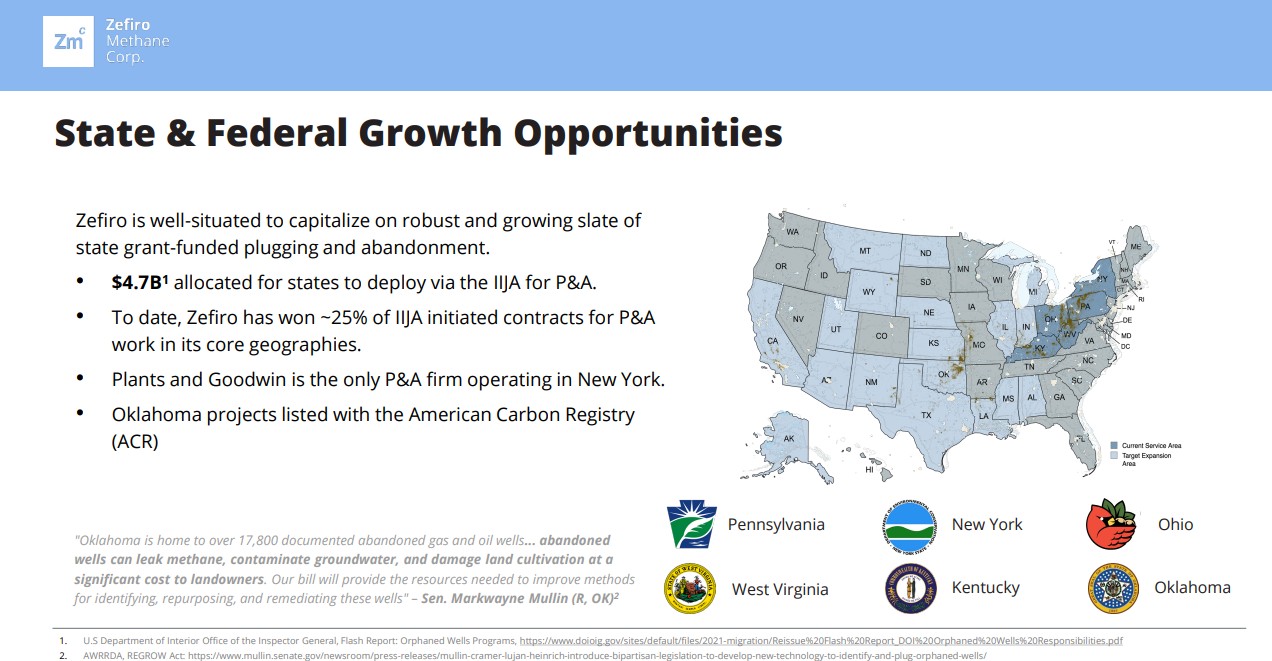
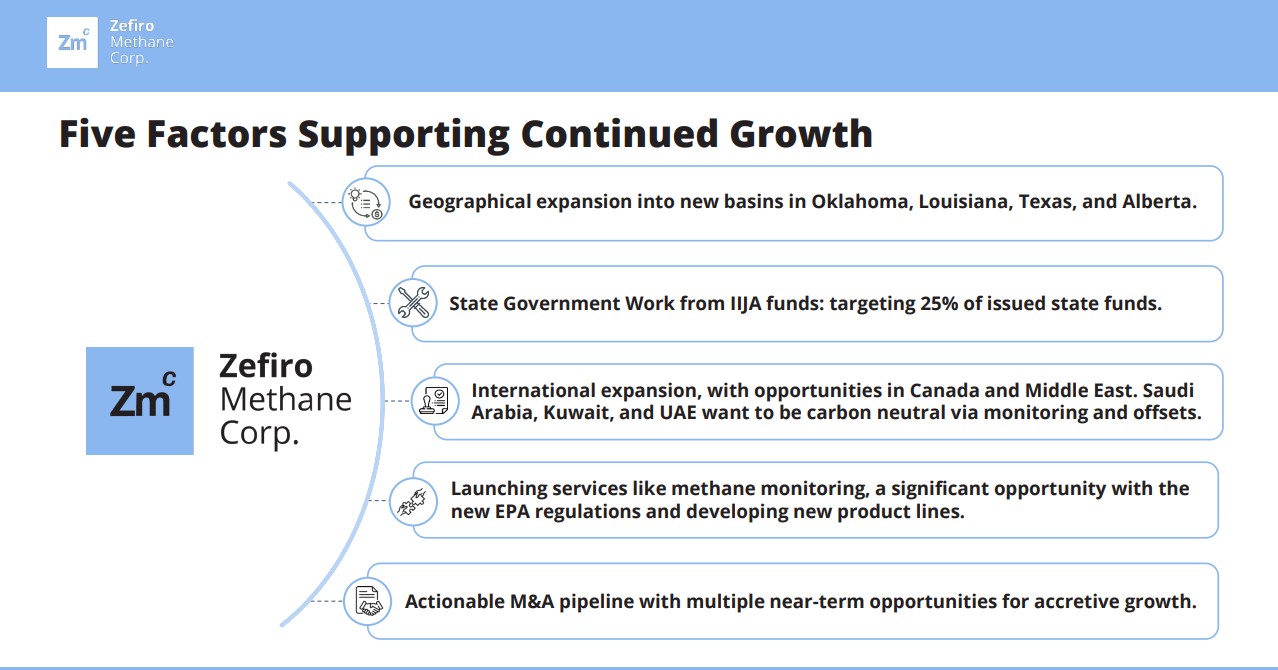
Zefiro Methane Corp.'s core business derives its primary momentum from the US "Infrastructure Investment and Jobs Act" (IIJA) of November 2021. This law provides USD 4.7 billion in funding. The funds are specifically allocated to the detection, closure, and remediation of millions of abandoned and orphaned oil and gas wells. States receive these funds through a three-tiered grant system consisting of initial, formula, and performance grants. For Zefiro's specialized subsidiaries, this results in a stable, recession-proof order backlog thanks to multi-year public tenders. However, since the federal budget covers only a small portion of the estimated total remediation need of USD 280 billion, the market potential for Zefiro will remain in the long term even after the IIJA program ends.
In addition, the company minimizes concentration risks through consistent geographic expansion beyond the traditional Appalachian Basin. Starting from its core markets of Pennsylvania, Ohio, and West Virginia, the service provider has already expanded its presence to 8 US states (including Oklahoma and Louisiana). A key growth driver in this regard was the acquisition of five heavy drilling rigs (derrick rigs) from Viking Well Service in May 2026, which dramatically increased fleet capacity. These mobile rigs enable the subsidiary Plants & Goodwin to expand directly into 5 new US states: New Jersey, Michigan, Indiana, Illinois and Iowa. With this presence now spanning 13 states, Zefiro covers the most critical problem areas in the US and comprehensively serves both government tenders and private remediation contracts.
GBC Research Assigns a "Buy" Rating with a CAD 2.12 Price Target in Its Initial Analysis
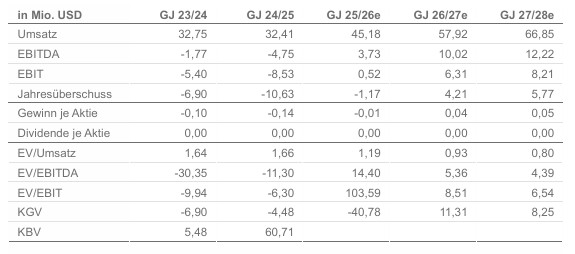
Analysts forecast dynamic growth in Zefiro Methane's valuation metrics, with the projected price-to-earnings (P/E) ratio falling from negative values during the loss-making years to an attractive level of 11.3 in fiscal year 2026/27 and a favorable 8.3 in the following year, 2027/28. At the same time, the enterprise value-to-EBITDA (EV/EBITDA) ratio improves dramatically from -11.3 in fiscal year 2024/25 to 5.4 in fiscal year 2026/27 and to 4.4 in the following year. This fundamental valuation is based on solid forecast assumptions that initially predict revenue to jump to USD 45.18 million for fiscal year 2025/26 and reach USD 66.85 million in 2027/28.
A key pillar of this organic growth is the three-year major contract with the Ohio Department of Natural Resources worth approximately USD 19.6 million, which guarantees a steady baseline utilization rate through 2029.
It is also assumed that the Viking rigs acquired in May 2026 will generate additional annual revenue of a conservatively estimated USD 8.0 million starting in fiscal year 2026/27, following their full integration into the organization. For the high-margin carbon credit business, a conservative restart of USD 0.60 million is expected starting in the second half of the year following the introduction of the revised ACR methodology in the fall of 2026. Finally, for fiscal year 2027/28, experts expect an expansion of the project portfolio in this voluntary CO₂ market, which is projected to increase segment revenue to USD 2.50 million as planned.
In its initial coverage, the research firm GBC AG assigns a clear "Buy" rating to the stock. The key valuation result is a price target of USD 1.50 or CAD 2.12, representing significant upside potential of over 200% from the current price of approximately CAD 0.61. A key aspect of the investment case is the operational turnaround, which has led to significant improvements in revenue, EBITDA, cash flow, and cost structure since the change in management in June 2025. In addition, multi-year government contracts and ongoing projects ensure high revenue visibility for the coming fiscal years. The Viking equipment acquired in May 2026 significantly expands rig capacity, which supports regional expansion. The planned resumption of the carbon credit business is viewed as a high-margin additional opportunity. While EBITDA figures for the past two fiscal years were still significantly negative at USD -1.77 and USD -4.75 million, respectively, analysts forecast a sustained return to profitability in the 2025/26 cycle. For fiscal year 2026/27, EBITDA of USD 10.02 million is expected, which is projected to rise to USD 12.22 million in the following year, 2027/28. Net income is also forecast to reach the profitable break-even point of USD 4.21 million starting in 2026/27. In summary, the positive valuation assessment is based on a combination of an established market position in the crisis-resistant government-regulated orphan well sector and high-potential growth opportunities in the voluntary emissions permit market.
Why Zefiro Methane Is Outperforming the Energy Sector
Current forecasts place Zefiro on a clear path to expansion, with management projecting revenue of approximately USD 55 million for the new fiscal year, with additional capacity from the Viking acquisition playing a key role. At the same time, public awareness of the orphan well issue continues to grow, as demonstrated by recent coverage in the Bradford Era and the new 25-minute documentary "The Hazard Below," which brings Zefiro's operational work and the scale of the problem to a wider audience.
Please note that Canadian regulators classify the video as "advertising" for the company. Click here to watch the insightful documentary featuring IIF host Lyndsay Malchuk.
However, what remains crucial for the investment case is not so much media attention as the ability to translate equipment, personnel, and regional presence into profitable growth. With a combination of recurring government programs, private clients, energy infrastructure, methane monitoring, and, looking ahead, carbon credits, Zefiro now has several independent growth drivers. If the company succeeds in scaling up further without diluting margins, today's small-cap stock could evolve into a significantly larger environmental and infrastructure stock—and that is precisely where the real leverage lies for investors. The business model capitalizes on three fundamental megatrends: stricter ESG regulations, the US government's infrastructure program (IIJA), and the rapidly rising, baseload-capable energy demand of American AI data centers. Through an aggressive expansion and M&A strategy, management is scaling up operational capacity at record speed. The bottom line for investors: given the total addressable market and the company's tremendous operational momentum, the current valuation falls far short of reflecting the company's true potential.
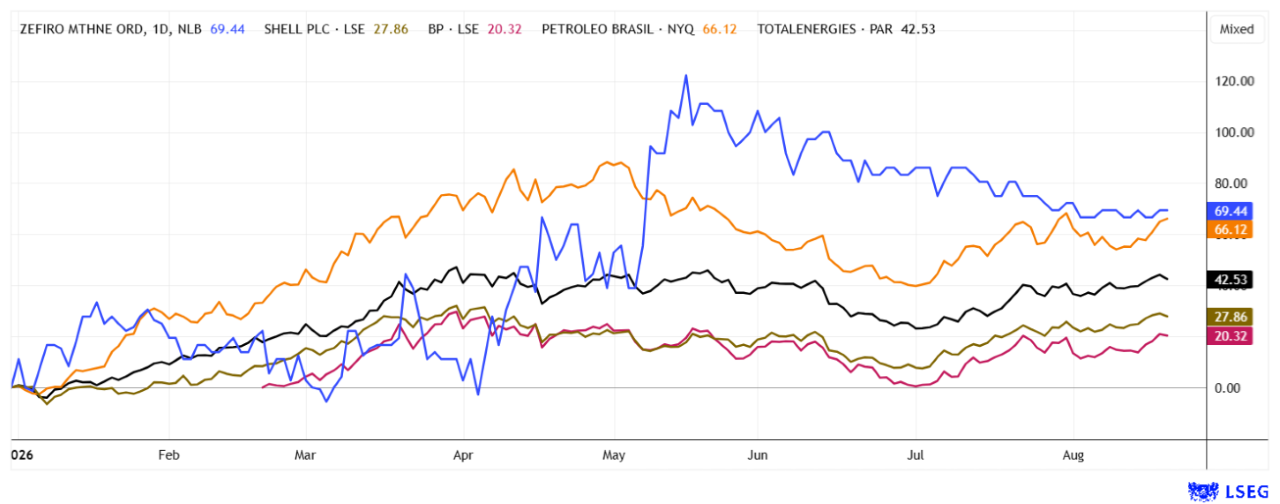
Zefiro has long since stopped playing by the rules of the traditional oil and gas business. While companies like Shell, BP, TotalEnergies, and Petrobras are directly tied to volatile commodity prices, Zefiro targets a structurally growing and comparatively crisis-resistant market. Should the Iran conflict unexpectedly ease and oil prices decline, this divergence is likely to become even more pronounced—because Zefiro does not benefit from higher oil prices but rather from an independent operational growth driver that suggests long-term profit momentum.
By expanding into high-margin business segments centred on methane measurement technology and carbon credit monetization, Zefiro is entering a new valuation dimension. A market capitalization of just under CAD 55 million is matched by a financially sound company with a dynamically growing operating business. The GBC price target of CAD 2.12 signals significant potential for fiscal year 2026/27. At the same time, the well-stocked and growing order book provides solid operational downside protection. The planned uplisting to a higher stock market segment could provide an additional boost. Greater institutional attention, rising trading liquidity, and a broader capital market presence would be ideal conditions for closing the gap between operational performance and the current valuation.
IIF host Lyndsay Malchuk speaks with CEO Catherine Flax about the growing threat of methane emissions and the company's further expansion plans
This update follows the initial report dated July 17, 2026. Click here for the analysis.