
From Science Fiction to Commercial Reality: How HPQ Silicon Aims to Transform the Battery Industry
Many small resource companies dream of one day becoming technologically relevant. HPQ Silicon (0.18 CAD | TSX-V: HPQ | WKN: A3DQZ3 | ISIN: CA40444L1031) now appears to be genuinely making that transition. The company, which once focused on silicon and quartz, is increasingly evolving into a technology-driven materials developer concentrating on high-performance anodes, fumed silica, and industrial process innovations. Together with its French partner Novacium, HPQ is working to commercialize the next generation of silicon-based battery materials. Particularly noteworthy is the company's strategic emphasis on industrial scalability rather than purely laboratory achievements. It is precisely this shift from research mode toward operational implementation that could become the real story behind a revaluation for investors.
More Energy per Cell – Why GEN4 Technology Is Currently Drawing Attention
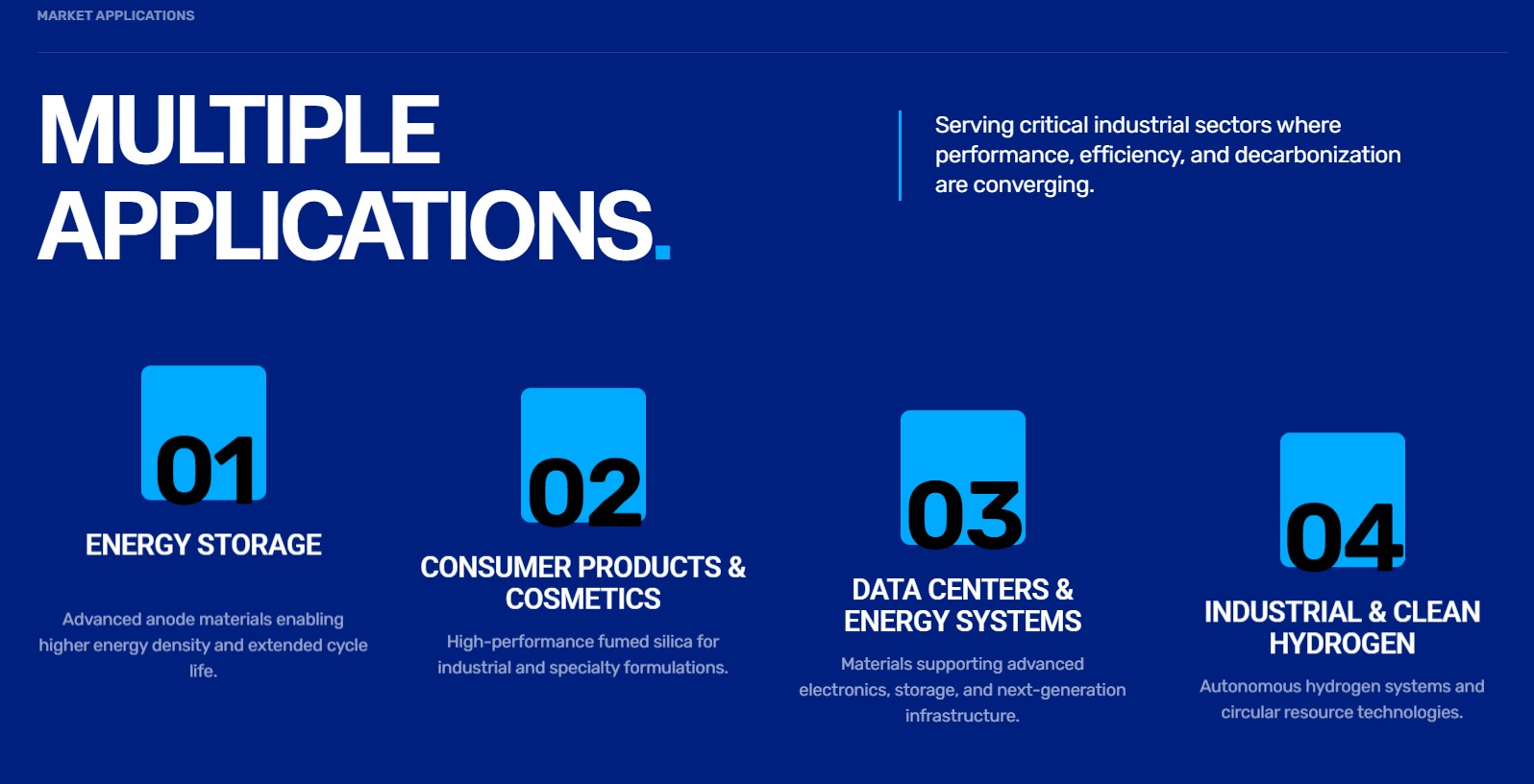
While many battery companies focus almost exclusively on electric mobility, HPQ is deliberately positioning itself in higher-margin specialty segments. The focus is on applications where energy density, weight, and reliability are more important than the last percentage point of cost optimization. Drones, defence applications, telecommunications, and industrial energy systems are particularly in the spotlight. This is precisely where the silicon-based GEN3 and GEN4 materials have their greatest impact. In these areas, every additional gram of payload or every extra minute of flight time often determines the economic viability of a system.
HPQ is therefore not targeting commodity markets, but rather high-performance technological niches with significantly more attractive margin potential.
In recent months, the performance data of the latest battery generation has caused quite a stir. The GEN4 silicon anode materials achieved capacities of over 7,000 mAh in industrial 21700 cells, significantly outperforming traditional graphite solutions. At the same time, the cells impressed with surprisingly stable performance metrics even under demanding stress tests. This optimized combination of energy density and stability is considered a critical bottleneck in modern energy systems within the battery industry. For HPQ, this creates a technological advantage, as more powerful batteries not only enable longer runtime but can transform entire device categories. This could become a real competitive advantage, particularly in the drone sector, where flight time and weight directly generate economic benefits.
The Decisive Difference Is Scaling — From the Lab to Actual Industrial Production
However, the real turning point does not begin with record-breaking results in the lab, but with their industrial reproducibility. HPQ is now describing this very transition in strikingly proactive terms. Management is increasingly emphasizing that battery technology today is no longer defined solely by peak performance, but by scalability, certifiability, and production integration. The manufacture of standardized cell formats such as 18650 and 21700 is considered an important intermediate step toward commercial production. At the same time, multiple production batches are being tested to demonstrate consistency and industrial resilience. HPQ is thus moving beyond the classic development phase and increasingly approaching pre-series production that simulates real market conditions.
Certifications as a Ticket to Entry – Why UL and UN Are More Important Than Record Values
Spectacular performance data often dominates public perception. For industrial customers, however, other criteria often matter more. Without safety and transport certifications, even high-performance battery cells cannot enter global supply chains. That is why standards such as UL 1642 or UN 38.3 are of enormous strategic importance to HPQ. They determine whether products may be transported internationally, tested by OEMs, and later integrated into real-world systems. The ENDURA+ cells developed in collaboration with Novacium are engineered precisely to meet these requirements. For potential industrial partners, this reduces operational risks while simultaneously shortening the integration phase for new technologies.
Many new battery technologies fail not because of their performance, but because of the realities of existing factories. Production lines worth billions cannot be replaced at will. This is where HPQ's remarkably pragmatic approach comes into play. The GEN3 and GEN4 materials are deliberately designed to remain compatible with existing lithium-ion production systems. Manufacturers would therefore not have to completely rebuild their infrastructure but could continue using existing processes. This reduces investment costs, accelerates implementations, and significantly lowers barriers to entry. In a market where time, capital discipline, and scalability are becoming increasingly important, this very interoperability could become the real competitive advantage.
Energy Density of 395 Wh/kg as a Wake-Up Call – HPQ Ignites the Next Stage of Battery Technology
In late April 2026, HPQ Silicon, together with Novacium, made another major technological breakthrough. A semi-solid 8S drone battery pack based on GEN4 silicon anode material achieved an energy density of 395 Wh/kg at the pack level. With a capacity of 15,900 mAh and 457 Wh of total energy, and weighing just 1.16 kg, the system significantly outperforms many of today's drone battery solutions. According to the company, this represents a lead of approximately 23-36% over selected LiPo and modern lithium-ion systems. Such performance metrics are highly relevant for the drone sector, as greater ranges, longer flight times, and higher payloads directly create economic value. The platform's technological versatility appears particularly important in this context. HPQ has since successfully validated GEN4 technology in various battery architectures—from 21700 cells to semi-solid systems. As a result, GEN4 is increasingly evolving from a specialized solution into a flexible platform technology for various industries. Strategically, this also enhances the significance of the HPQ ENDURA+ brand. Together with Novacium, HPQ holds exclusive North American marketing rights and access to production capacities across multiple cell formats. Looking ahead, the company is targeting not only drones but also defence, mobility, and high-performance electronics.
Investment Highlights
HPQ Silicon (CAD 0.18 | TSX-V: HPQ | WKN: A3DQZ3 | ISIN: CA40444L1031)
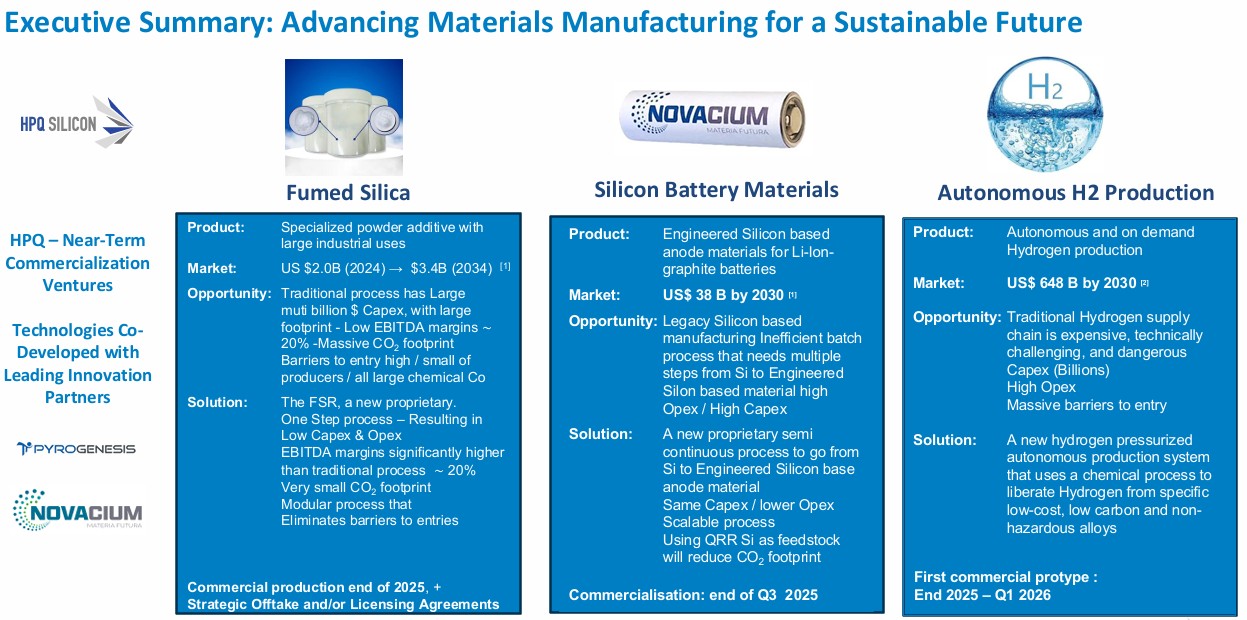
- Silicon-based high-performance anode materials with significantly higher energy density than traditional graphite solutions
- GEN4 technology achieves over 7,000 mAh, addressing the next generation of high-performance battery systems
- Energy densities of up to 395 Wh/kg create competitive advantages for drone, defence, and industrial applications
- Compatibility with existing lithium-ion production lines significantly reduces barriers to market entry
- First commercial orders from Europe mark the transition from research to monetization
- Strategic positioning in high-margin niche markets rather than the price-sensitive mass EV market
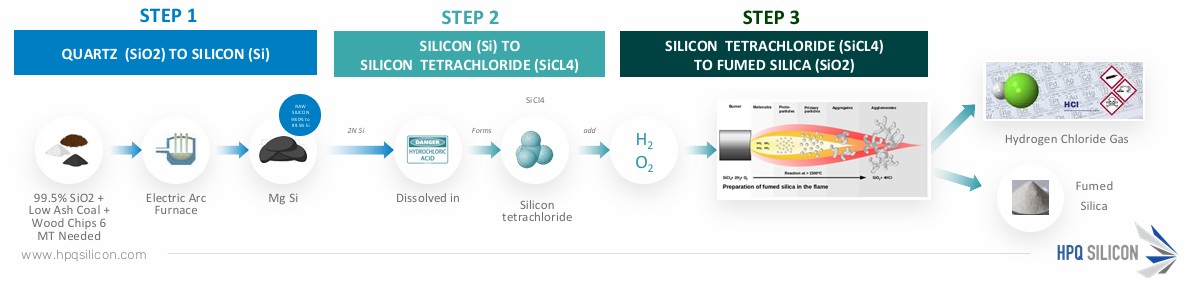
- Fumed silica technology opens up an additional billion-dollar market outside the battery sector
- Patented plasma process enables potentially lower production costs and reduced CO₂ emissions
- Strong tailwinds from industrial policy driven by reindustrialization, supply chain security, and cleantech funding programs
- Partnership with Novacium expands the technology platform to include hydrogen and energy systems
- Scalable pre-series production in standard formats such as 18650 and 21700 has already begun
- Company valuation remains comparatively low despite increasing technological validation and growing international visibility
Strategically Well-Positioned and Financially Equipped – HPQ is Poised For a Revaluation
Important foundations have also recently been laid on the financing side. The successfully completed private placement of approximately CAD 3 million at CAD 0.165 strengthened operational flexibility during a phase of increasing development activities. At the same time, international investor interest signals that HPQ is gaining increasing recognition outside of Canada. With a more intensive presence in Europe and more active capital market communication, the company now appears to be consciously initiating the next stage of growth. Of particular relevance here will be how quickly pilot projects translate into solid supply agreements. For it is precisely at this threshold that it is often decided whether a technology stock will become a true industry player. HPQ is proving to be highly dynamic in this regard!
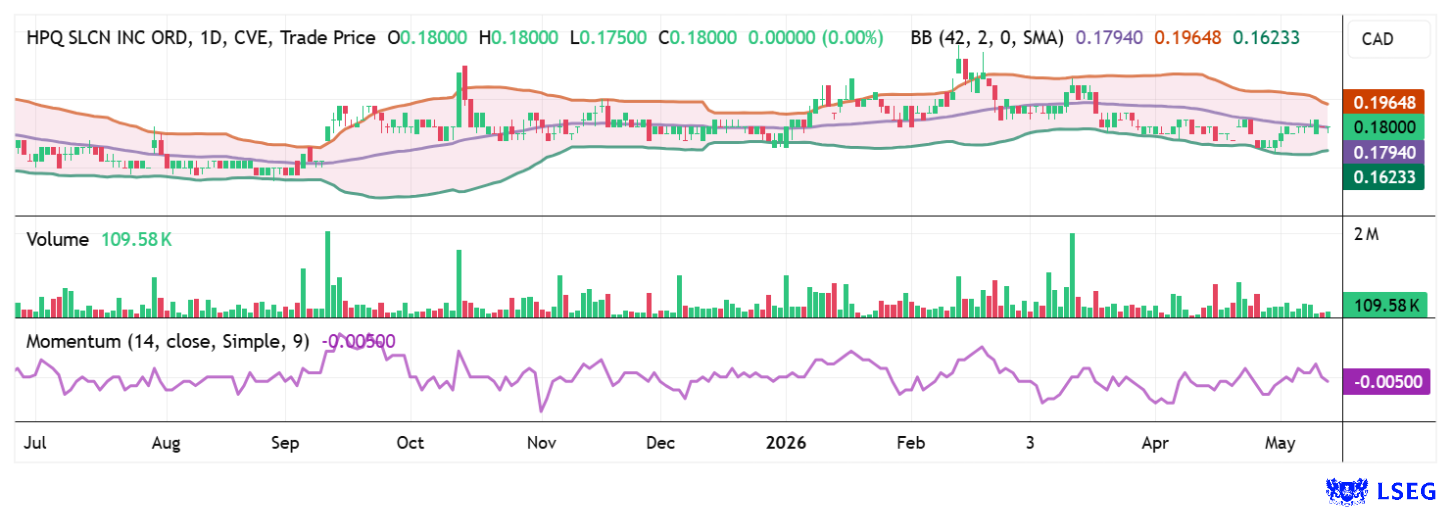
HPQ Silicon is increasingly emerging as a highly compelling niche story in the field of modern energy storage. The combination of silicon-based high-performance anodes, industrial scalability, and existing production compatibility sets the company apart from many purely academic battery projects. Particularly noteworthy is the strategic focus on high-margin niche markets such as drones, industry, and defence. For a market capitalization of around CAD 84 million, the breadth of its focus and the degree of technological penetration are impressive. In the current landscape, all it takes is a small spark—potentially coming from various market sectors—to propel this still-young, innovative tech story to new heights.
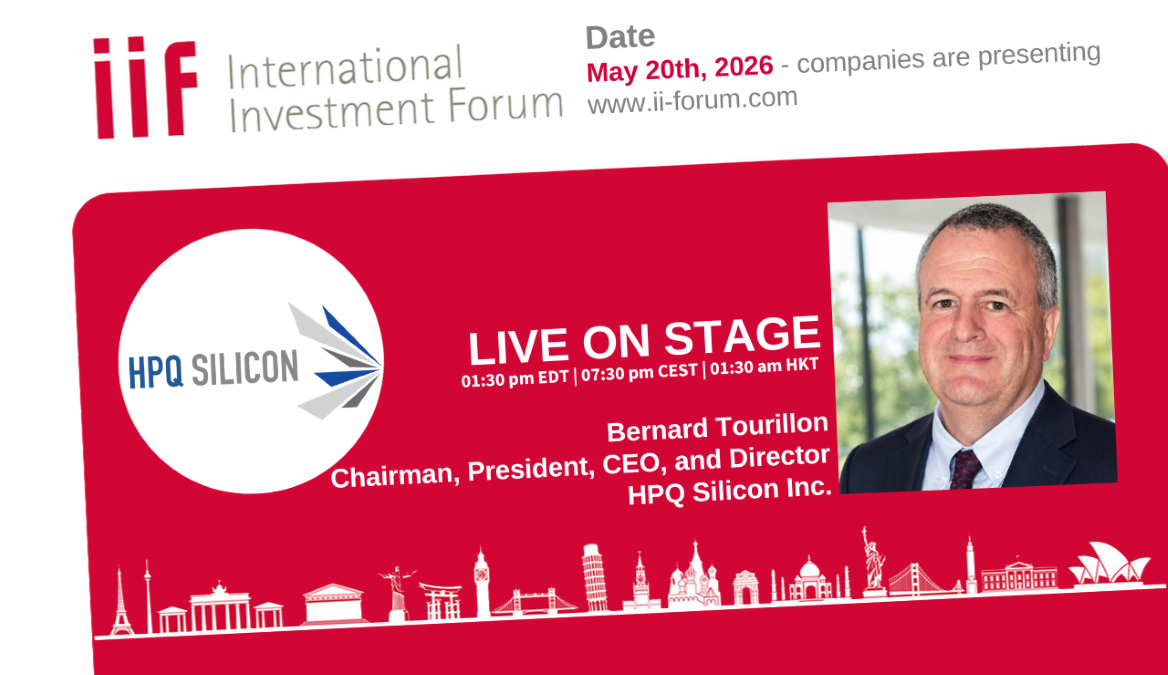
President and CEO Bernard J. Tourillon will present his technological approach to a European audience for the first time on May 20 at the 19th International Investment Forum. Click here to register for free.